Programs
Programs for ages 13 to 17
Robotics, coding, engineering, design and life sciences. Every program shows its status, so you always know what's open right now.
Showing 12 programs.
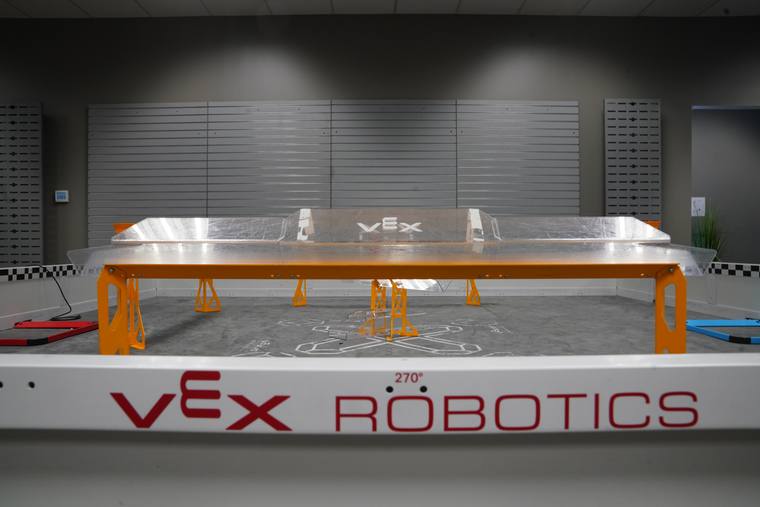
Core STEM Programs
Core STEM Programs provide foundational learning experiences that introduce key concepts in science, technology, engineering, and related fields while preparing students to progress into more advanced and structured STEM programs. These programs are designed to support skill development, confidence, and early engagement while establishing a strong base for continued learning. Students participate in structured activities such as introductory engineering builds, basic coding exercises, design challenges, and guided problem-solving tasks. These experiences emphasize hands-on engagement, guided learning, and progression into higher-level pathways, helping students build both confidence and readiness for more advanced programs.
- Join the interest list for STEM Exploration Program
STEM Exploration Program
Coming soonBroad exposure across multiple STEM areas for students still discovering their interests.
Advanced and Competitive STEM Programs
Advanced and Competitive STEM Programs are designed for students who are ready to move beyond foundational learning into structured, measurable results environments. These programs emphasize performance, iteration, and measurable progress through advanced projects and competitive experiences. Students participate in activities such as competition preparation, team-based challenges, advanced system design, and extended project work that require sustained effort and continuous improvement. These experiences support technical development, collaboration, and progression into higher levels of STEM learning, including competitions, capstone projects, and specialized pathways.
- Join the interest list for Competitive STEM Programs
Competitive STEM Programs
Coming soonTeam-based challenges that prepare students for STEM competitions through practice and iteration.
Innovation and Career Pathways
Innovation and Career Pathways programs connect STEM learning to real-world application, leadership development, and future academic direction. These programs help students understand how their skills can be applied beyond the classroom and into broader opportunities. Students participate in activities such as idea development, leadership exercises, mentorship sessions, and structured discussions about academic and career pathways. These experiences help students build confidence, improve communication, and develop a clearer sense of direction as they prepare for the next stage of their education.
- Join the interest list for Innovation and Entrepreneurship
Innovation and Entrepreneurship
Coming soonCreative problem-solving and idea development — turn concepts into solutions with structure and logic.
- Join the interest list for Youth Development and Leadership Through STEM
Youth Development and Leadership Through STEM
Coming soonLeadership, collaboration, and personal development through STEM-based team experiences.
- Join the interest list for STEM Mentorship and Academic Pathways Program
STEM Mentorship and Academic Pathways Program
Coming soonUniversity mentors help students explore college, fields of study, and future planning.
Life Sciences and Bioengineering
Life Sciences and Bioengineering programs introduce students to areas of STEM that combine biology, engineering, and applied science. These programs are designed to help students understand how living systems work and how technology can be used to study, model, and improve them. Students participate in structured activities such as working with models, exploring biological systems, analyzing real-world problems in health and science, and applying engineering concepts to biological questions. These experiences help students build a deeper understanding of how science and technology intersect in fields such as medicine, research, and innovation.
- Join the interest list for Bioengineering and Human Systems Lab
Bioengineering and Human Systems Lab
Coming soonUnderstand human systems through 3D-printed models and engineering-based thinking.
- Join the interest list for Biology Through Design and Modeling
Biology Through Design and Modeling
Coming soonExplore biology through modeling, visualization, and design-based approaches.
- Join the interest list for Microbiology and Lab Science
Microbiology and Lab Science
Coming soonHands-on lab science introducing microbes, lab techniques, and scientific investigation.
- Join the interest list for Biomedical Innovation and Future Medicine
Biomedical Innovation and Future Medicine
Coming soonHow science, engineering, and technology are shaping the future of healthcare.
Community and Access Programs
Community and Access Programs are designed to reduce barriers to participation and provide structured opportunities for students to engage in STEM learning. These programs focus on expanding access through community-based delivery, financial support, and inclusive program design. Students participate in programs that are delivered in partnership with local organizations, supported through scholarships, or designed to be accessible across different languages and backgrounds. These efforts help ensure that more students can participate in structured STEM learning experiences and continue progressing within the STEMSCI program pathway.
- Join the interest list for Community-Based Programs and Outreach
Community-Based Programs and Outreach
Coming soonSTEM experiences delivered in community centers, schools, and partner organizations.
- Join the interest list for Scholarships and Access Programs
Scholarships and Access Programs
Coming soonFinancial support so cost is never a barrier to participating in STEMSCI programs.
- Join the interest list for Multilingual STEM Access Program
Multilingual STEM Access Program
Coming soonMultilingual materials and inclusive environments for families of all language backgrounds.
How it works
How students progress
Programs build on each other. Students move through these stages based on their interest, experience and readiness for more advanced work.
Build a Foundation
Students begin with Core STEM Programs, where they develop essential skills through structured activities such as introductory engineering builds, coding exercises, and design challenges. This stage focuses on building confidence, problem-solving ability, and familiarity with STEM concepts.
Develop Skills Through Practice
As students gain experience, they move into more focused program areas such as robotics, coding, or life sciences. They begin working on more complex challenges, applying what they have learned, and strengthening their technical and analytical skills.
Apply Skills in Advanced Programs
Students progress into Advanced and Competitive STEM Programs, where they participate in team-based challenges, competitions, and extended projects. This stage emphasizes performance, iteration, and the ability to work through complex problems over time.
Explore Future Opportunities
Through Innovation and Career Pathways programs, students develop leadership skills, explore real-world applications, and gain exposure to academic and career opportunities. This includes mentorship, guidance, and structured support for planning next steps beyond high school.
Continued Growth and Access
Students may continue progressing through different program areas while benefiting from Community and Access Programs that expand participation, provide support, and ensure continued engagement in STEM learning.
Don't see the right fit?
Tell us about your student and we'll help you find the right starting point.