Our Programs
A structured pathway through STEM
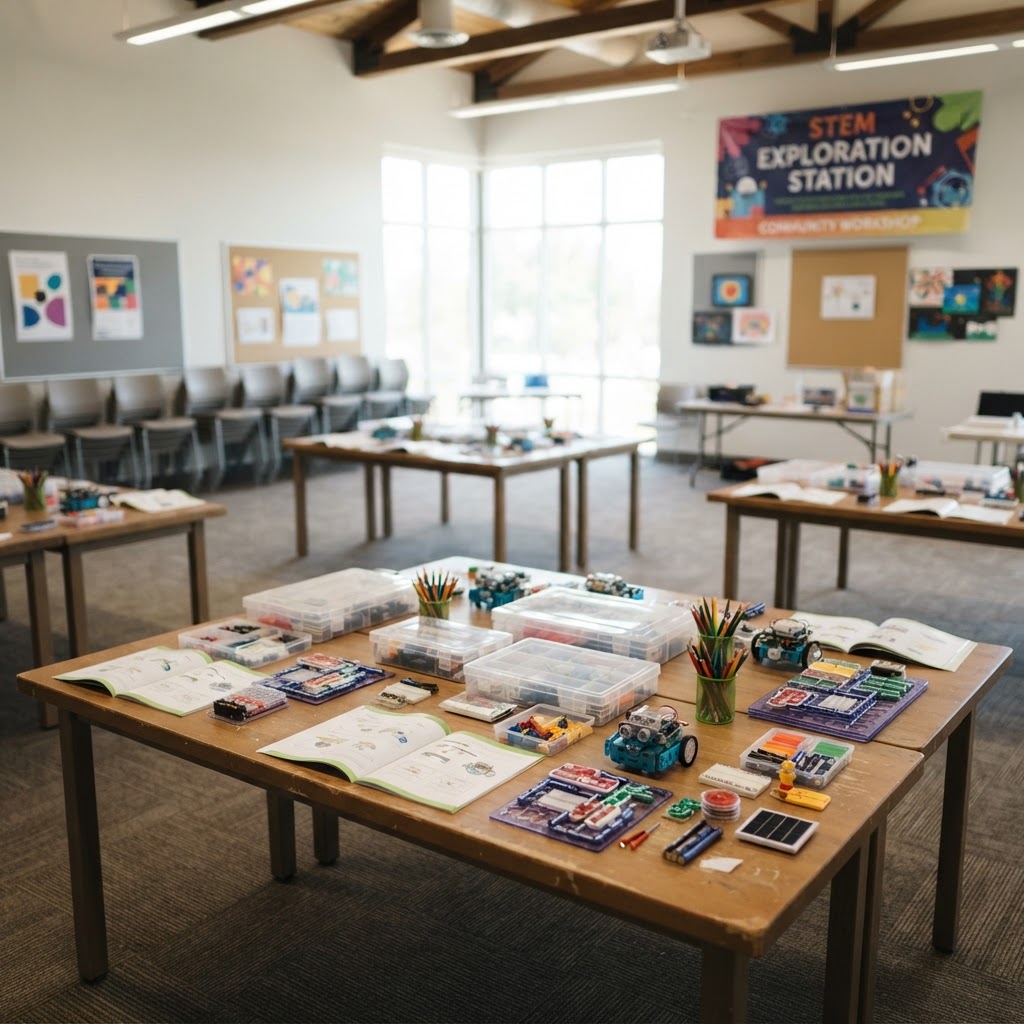
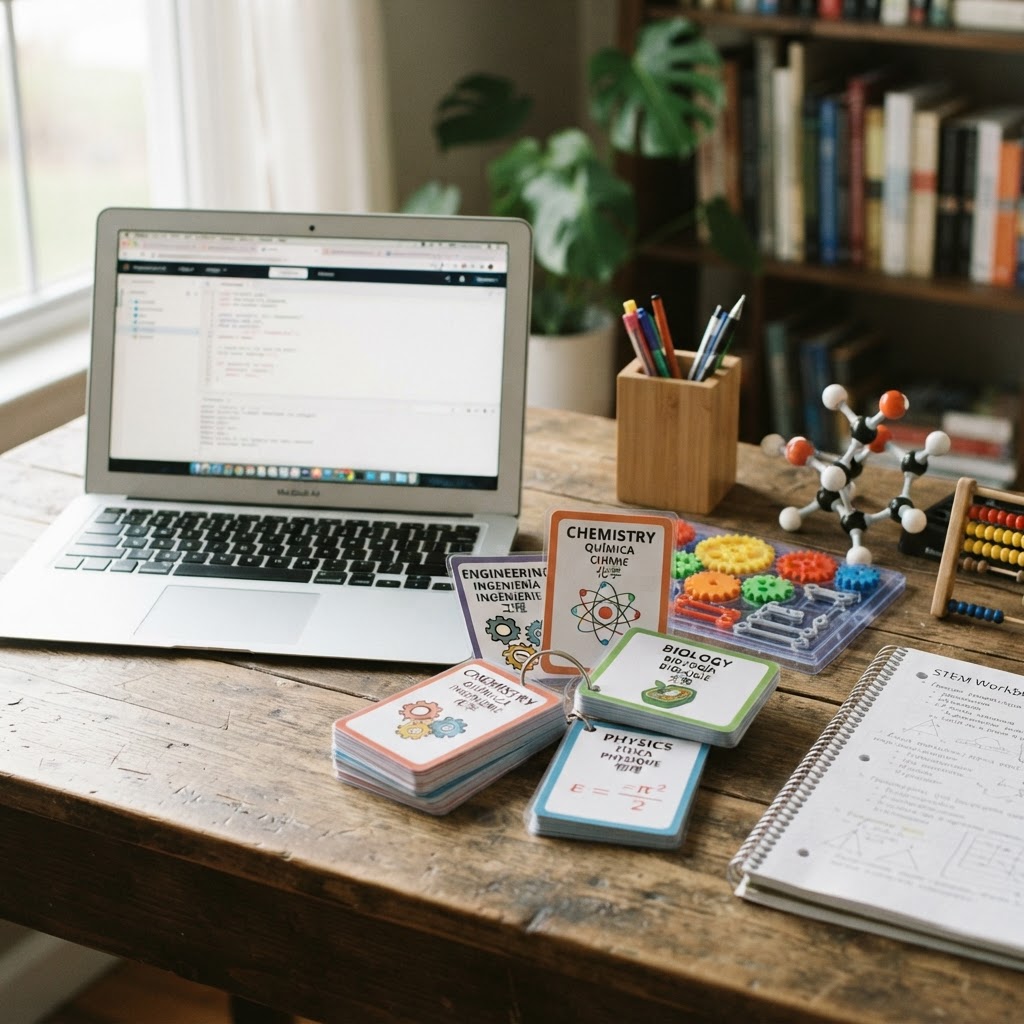
Programs across multiple STEM disciplines, built so students progress rather than sample. Every program shows its status, so you always know what's available right now.
- Middle and high school students
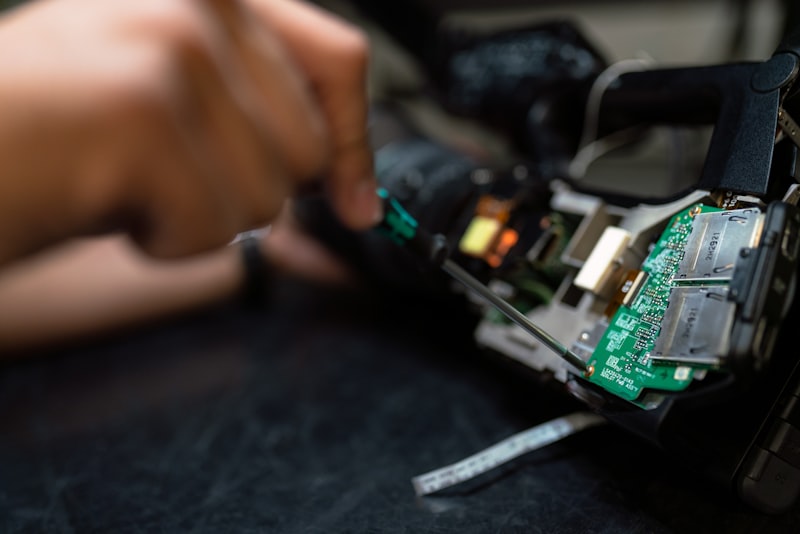
- Robotics, coding, engineering, life sciences & design
- Open Now and Coming Soon program statuses
- Foundational to advanced progression
- Hands-on projects, competitions, mentorship & pathways
How It Works
A structured pathway, not a one-time activity
STEMSCI programs are designed as structured pathways that help students build skills over time. Students progress through different stages based on their interest, experience level, and readiness for more advanced work.
Build a Foundation
Students begin with Core STEM Programs, where they develop essential skills through structured activities such as introductory engineering builds, coding exercises, and design challenges. This stage focuses on building confidence, problem-solving ability, and familiarity with STEM concepts.
Develop Skills Through Practice
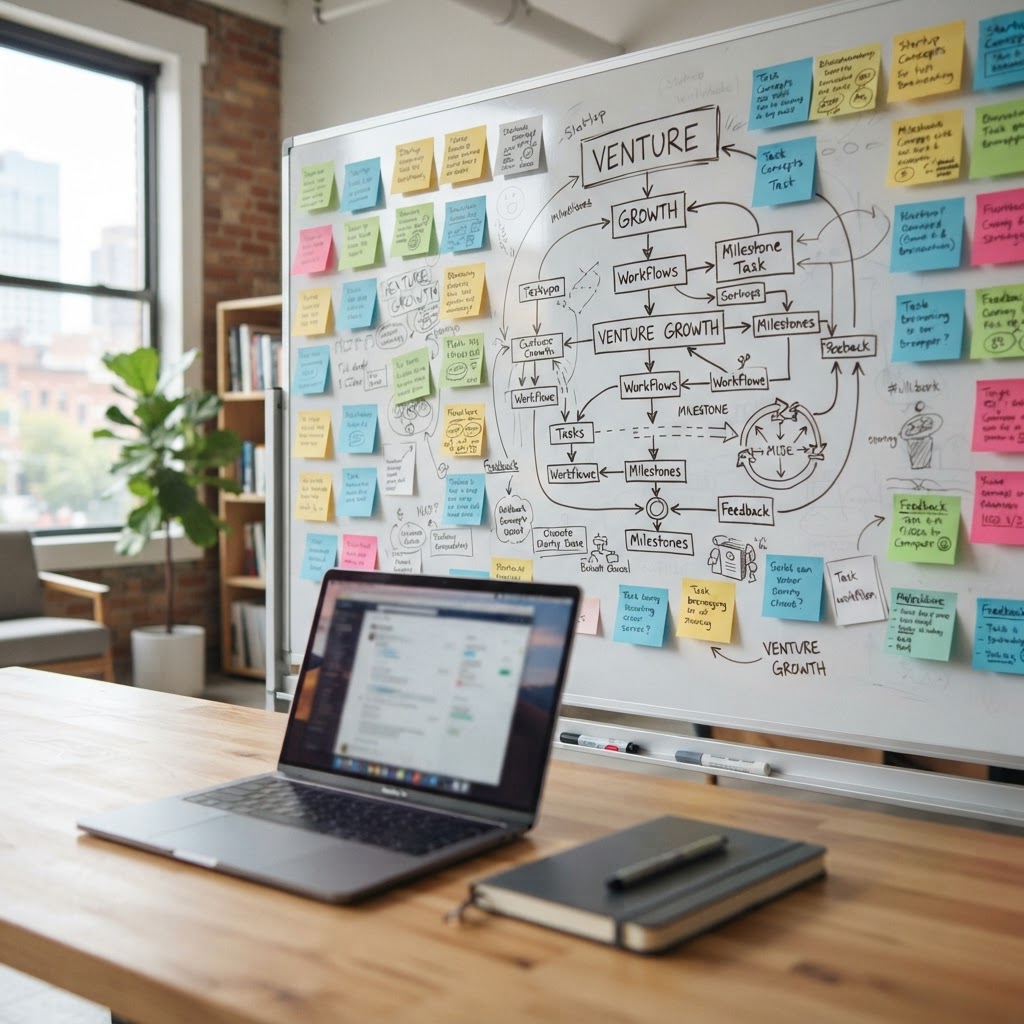
As students gain experience, they move into more focused program areas such as robotics, coding, or life sciences. They begin working on more complex challenges, applying what they have learned, and strengthening their technical and analytical skills.
Apply Skills in Advanced Programs
Students progress into Advanced and Competitive STEM Programs, where they participate in team-based challenges, competitions, and extended projects. This stage emphasizes performance, iteration, and the ability to work through complex problems over time.
Explore Future Opportunities
Through Innovation and Career Pathways programs, students develop leadership skills, explore real-world applications, and gain exposure to academic and career opportunities. This includes mentorship, guidance, and structured support for planning next steps beyond high school.
Continued Growth and Access
Students may continue progressing through different program areas while benefiting from Community and Access Programs that expand participation, provide support, and ensure continued engagement in STEM learning.
Youth Capstone Program
The STEMSCI Youth Capstone Program offers students the opportunity to explore research, engineering, and innovation through hands-on interdisciplinary projects. Students engage in real-world problem solving across multiple STEM areas — with projects spanning bioengineering, neuroscience, materials science, robotics, computing, and related fields.
This program is intended for students who are curious about science and engineering and want to work on projects with real-world relevance. It is especially well suited for students interested in research, innovation, healthcare technologies, engineering design, or interdisciplinary STEM exploration.
What the Program Provides
- Mentored, team-based capstone experiences
- Hands-on project development and prototyping
- Exposure to scientific research and engineering design
- Training in data collection, analysis, and interpretation
- Technical communication: posters, abstracts, and presentations
- Opportunities to explore structured and self-directed project paths
Technical skills
Experimental design, coding, electronics, prototyping
Professional skills
Teamwork, scientific writing, research communication
Research mindset
Ask questions, test ideas, learn from failure, present results
College readiness
Real projects for applications, essays, and interviews
College Readiness
Participation helps students build a stronger college profile by demonstrating initiative, sustained interest, and intellectual curiosity. Students gain concrete material for applications, essays, interviews, and recommendation letters — along with real projects, real skills, and real outcomes.
Flexible Project Pathways
Students may join existing STEMSCI project themes or propose their own project ideas based on their interests. This flexibility supports both guided experiences and student-initiated projects — as long as the topic can be developed into a meaningful capstone experience.
One of Our Active Capstone Projects
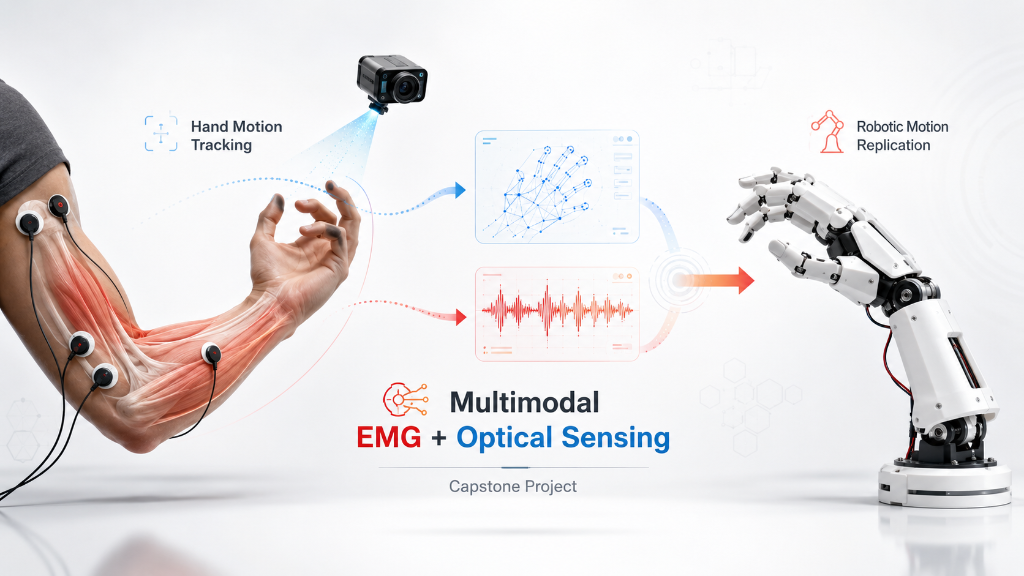
NeuroRobot Project
Active Capstone Project
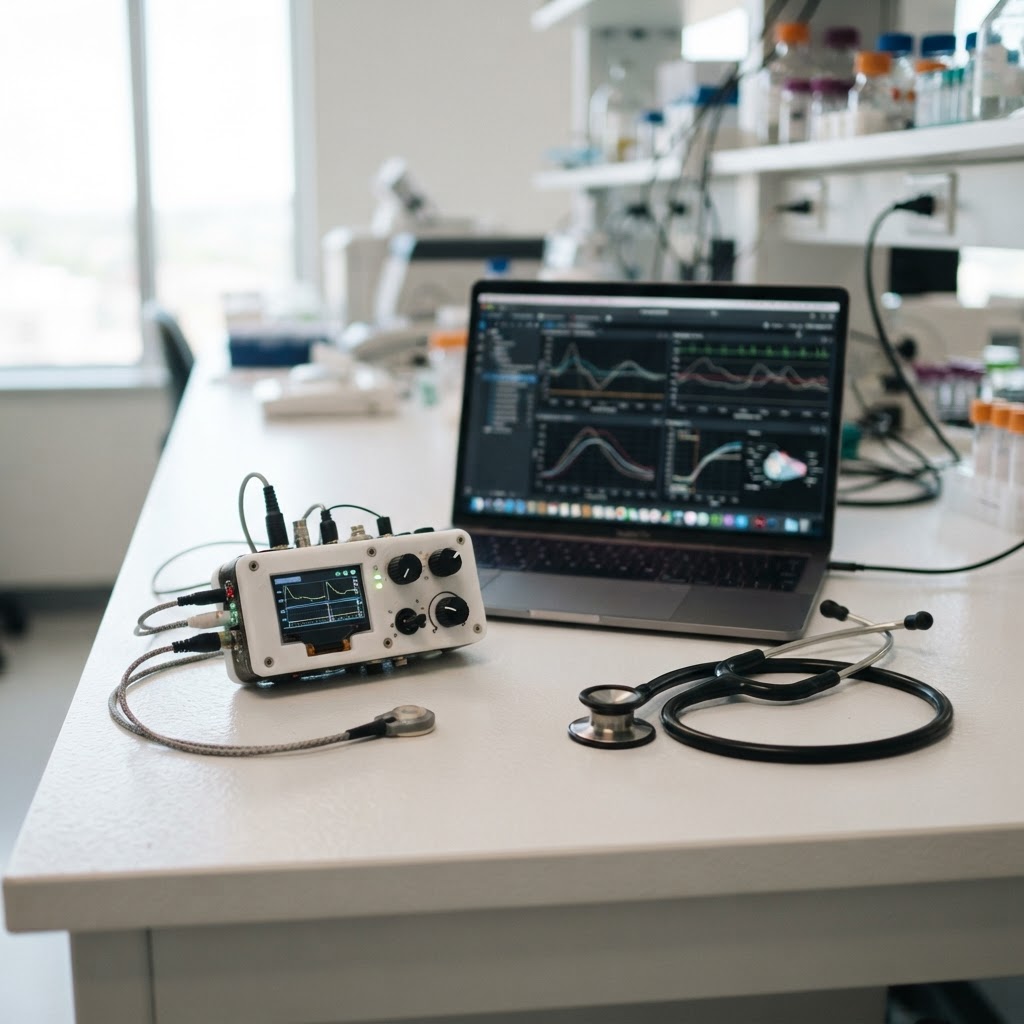
A hands-on neuroengineering and robotics project focused on developing a multimodal system that uses muscle signals, vision, and robotic control to track and replicate hand movement for assistive and rehabilitation applications.
Wearable EMG Sensing + Robotic Arm Control + Vision Feedback
Current Available Capstone Projects
Capstone Project 1 — Airway Access Device
Recruiting NowA hands-on biomedical engineering project focused on designing a device to support safer and more effective airway access during medical procedures.
Biomedical Engineering
Intermediate – Advanced
Device design · Human-centered engineering · Prototyping · Clinical research
Capstone Project 2 — Jaw Dislocation Management Tool
Recruiting NowA project centered on developing a tool that can help physicians manage jaw dislocation more safely and efficiently than current manual techniques.
Biomedical Engineering
Intermediate – Advanced
Mechanical design · Ergonomics · Prototyping · Medical device development
Capstone Project 3 — Emergency Jaw Clenching Device
Recruiting NowA design challenge focused on developing a device that helps keep the mouth open during emergency situations such as involuntary jaw clenching.
Biomedical Engineering
Intermediate
Mechanical design · Emergency medicine context · Prototyping · Human factors
Capstone Project 4 — Shoulder Reduction Device
Recruiting NowA biomedical engineering project focused on designing a powered device to help clinicians reduce a dislocated shoulder more safely, comfortably, and consistently than current manual methods.
Biomedical Engineering
Advanced
Powered device design · Biomechanics · Prototyping · Clinical safety & ergonomics
Capstone Project 5 — Cancer Outcomes Data Analysis
Recruiting NowExplore real-world patient health data to understand how cancers progress, how treatments perform, and how these factors influence patient outcomes.
Computing & Data Science
Intermediate – Advanced
Data analysis · Statistical methods · Health data interpretation · Data visualization
One of Our Past Capstone Projects

2025 Congressional App Challenge — WA-01 Winner
Team Anemo Dx
A STEMSCI-mentored capstone team, Anemo Dx, was the WA-01 winner of the 2025 Congressional App Challenge — a nationwide U.S. House of Representatives initiative recognizing student innovation that solves real-world problems.
Team Achievements
- App displayed in the U.S. Capitol for one year
- Featured on house.gov and congressionalappchallenge.us
- Official recognition from Congresswoman Suzan DelBene's office
- Certificate of Achievement presented in person by Congresswoman DelBene (Jan 2026)
- Invited to #HouseOfCode at U.S. Capitol (April 2026)
- ARTS Act copyright registration fee waiver
Potential Project Areas
Bioengineering
- Biosensors and wearable technologies
- Rehabilitation and assistive devices
- Medical device design
- Human physiology and health technology
Neuroscience
- Motor control and movement science
- Neurotechnology and neural interfaces
- Brain-body systems
- Cognitive and behavioral science applications
Materials Science
- Biomaterials and healthcare materials
- Polymers, composites, and soft materials
- Smart and functional materials
- Materials testing and characterization
Robotics & Engineering Design
- Human-robot interaction
- Mechatronics and embedded systems
- Prototyping and 3D-printed systems
- Control systems and automation
Computing & Data Science
- Signal processing and computer vision
- Coding and algorithm development
- Machine learning applications
- Data analysis and visualization
Interdisciplinary STEM Innovation
- Projects combining science, engineering, medicine, and technology
- Real-world problem solving with social or clinical impact
- Research-driven or design-driven experiences
- Exploratory projects based on emerging interests
Core STEM Programs
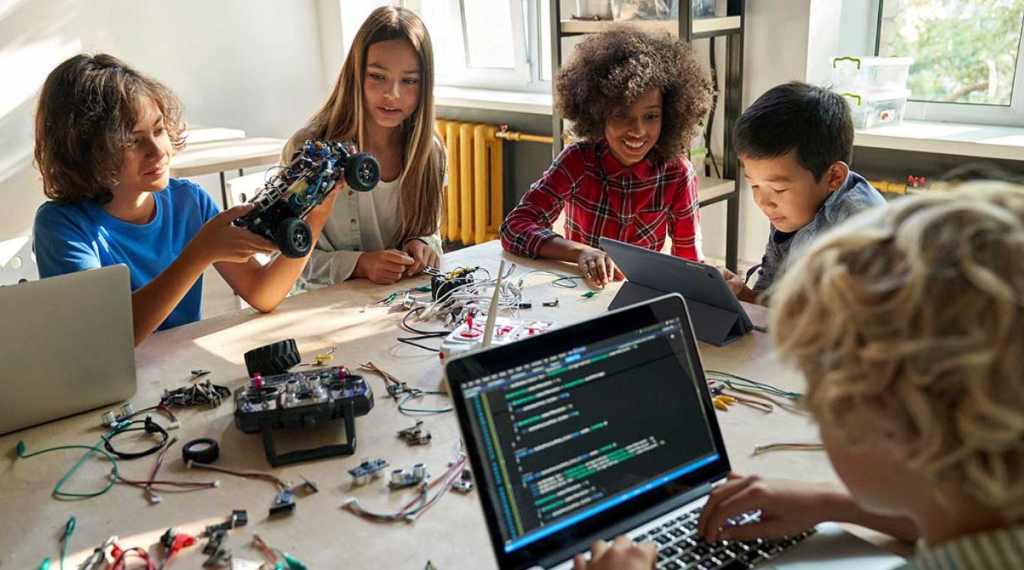
Core STEM Programs provide foundational learning experiences that introduce key concepts in science, technology, engineering, and related fields while preparing students to progress into more advanced and structured STEM programs. These programs are designed to support skill development, confidence, and early engagement while establishing a strong base for continued learning. Students participate in structured activities such as introductory engineering builds, basic coding exercises, design challenges, and guided problem-solving tasks. These experiences emphasize hands-on engagement, guided learning, and progression into higher-level pathways, helping students build both confidence and readiness for more advanced programs.
Robotics and Engineering
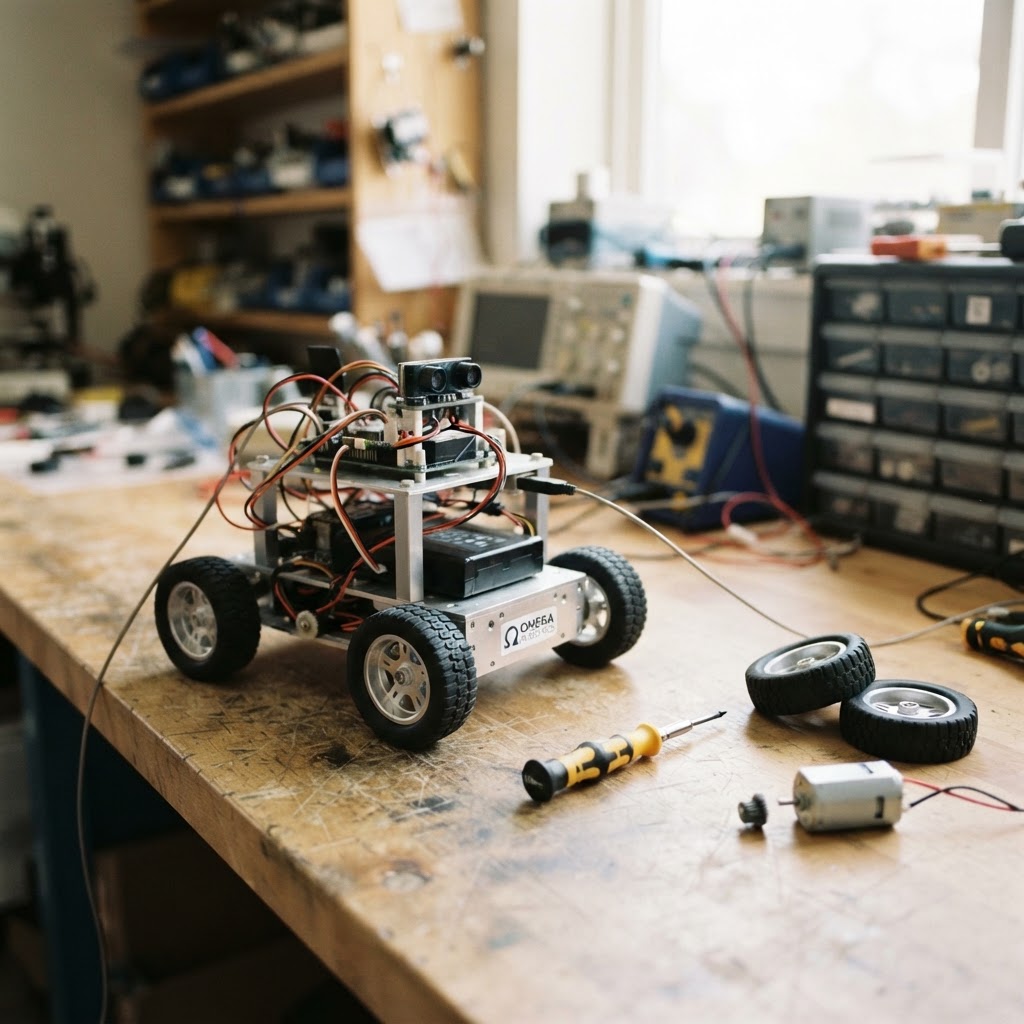
Our flagship hands-on program: students build, test, and iterate real robot mechanisms while learning the engineering design process from the ground up.
- Build and test working robot mechanisms from the first session
- Learn the engineering design cycle — design, test, diagnose, improve
- Understand how mechanical, electrical, and control systems work together
- Direct pathway into competition robotics and advanced capstone projects



Advanced and Competitive STEM Programs
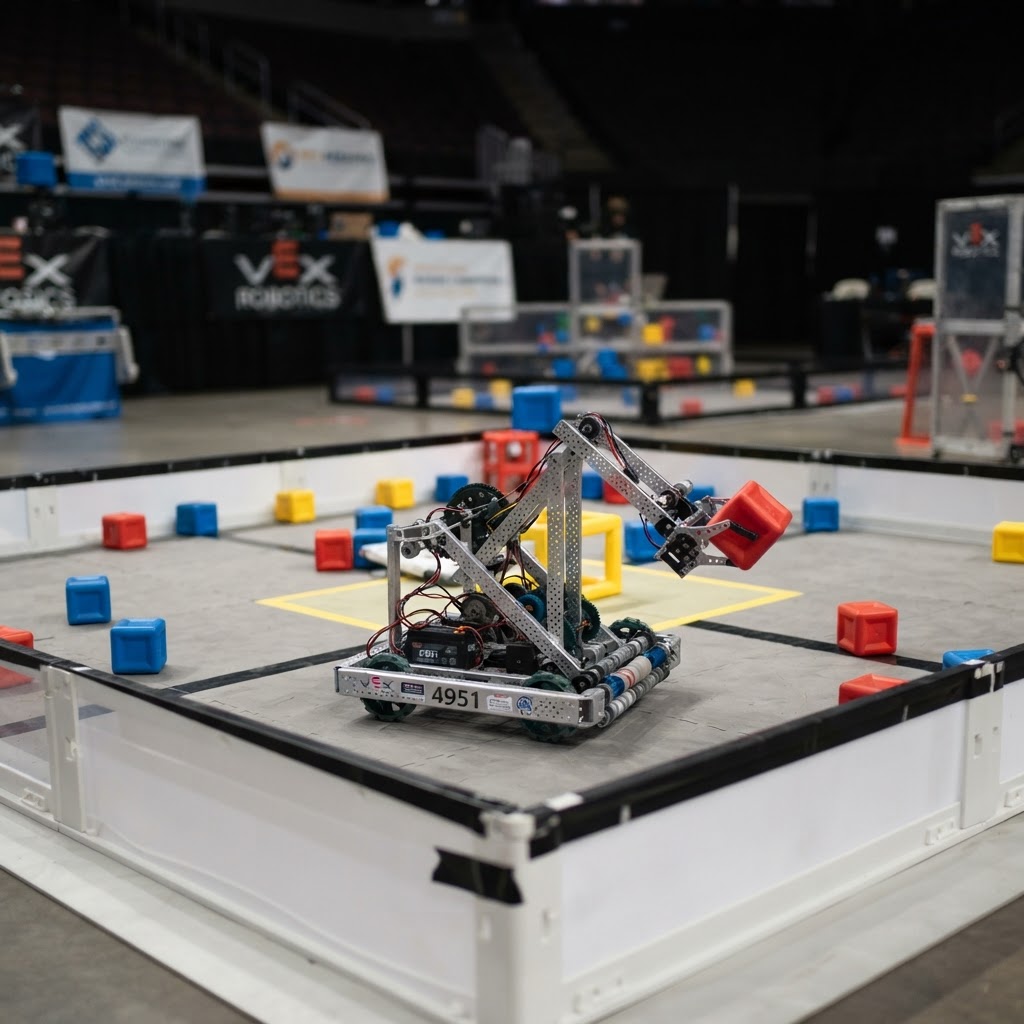
Advanced and Competitive STEM Programs are designed for students who are ready to move beyond foundational learning into structured, measurable results environments. These programs emphasize performance, iteration, and measurable progress through advanced projects and competitive experiences. Students participate in activities such as competition preparation, team-based challenges, advanced system design, and extended project work that require sustained effort and continuous improvement. These experiences support technical development, collaboration, and progression into higher levels of STEM learning, including competitions, capstone projects, and specialized pathways.
Innovation and Career Pathways
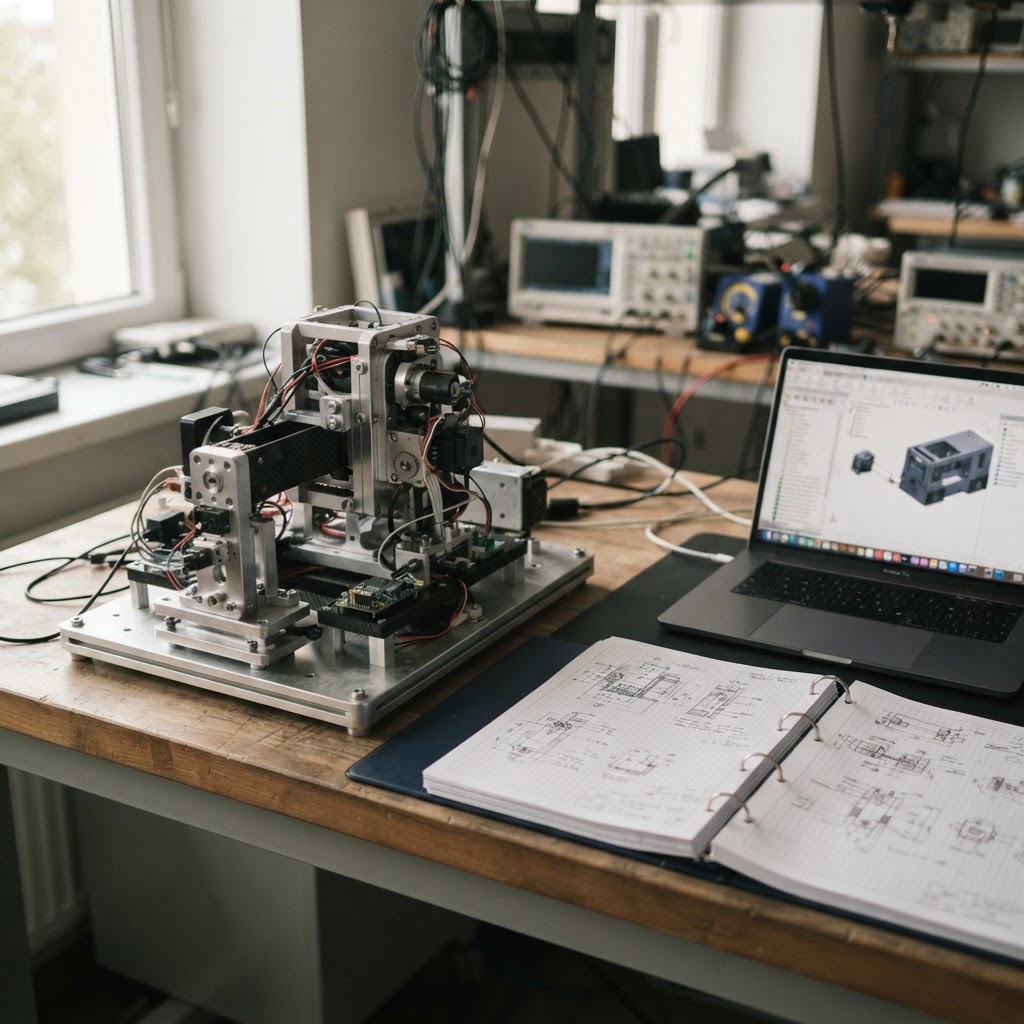
Innovation and Career Pathways programs connect STEM learning to real-world application, leadership development, and future academic direction. These programs help students understand how their skills can be applied beyond the classroom and into broader opportunities. Students participate in activities such as idea development, leadership exercises, mentorship sessions, and structured discussions about academic and career pathways. These experiences help students build confidence, improve communication, and develop a clearer sense of direction as they prepare for the next stage of their education.


Life Sciences and Bioengineering
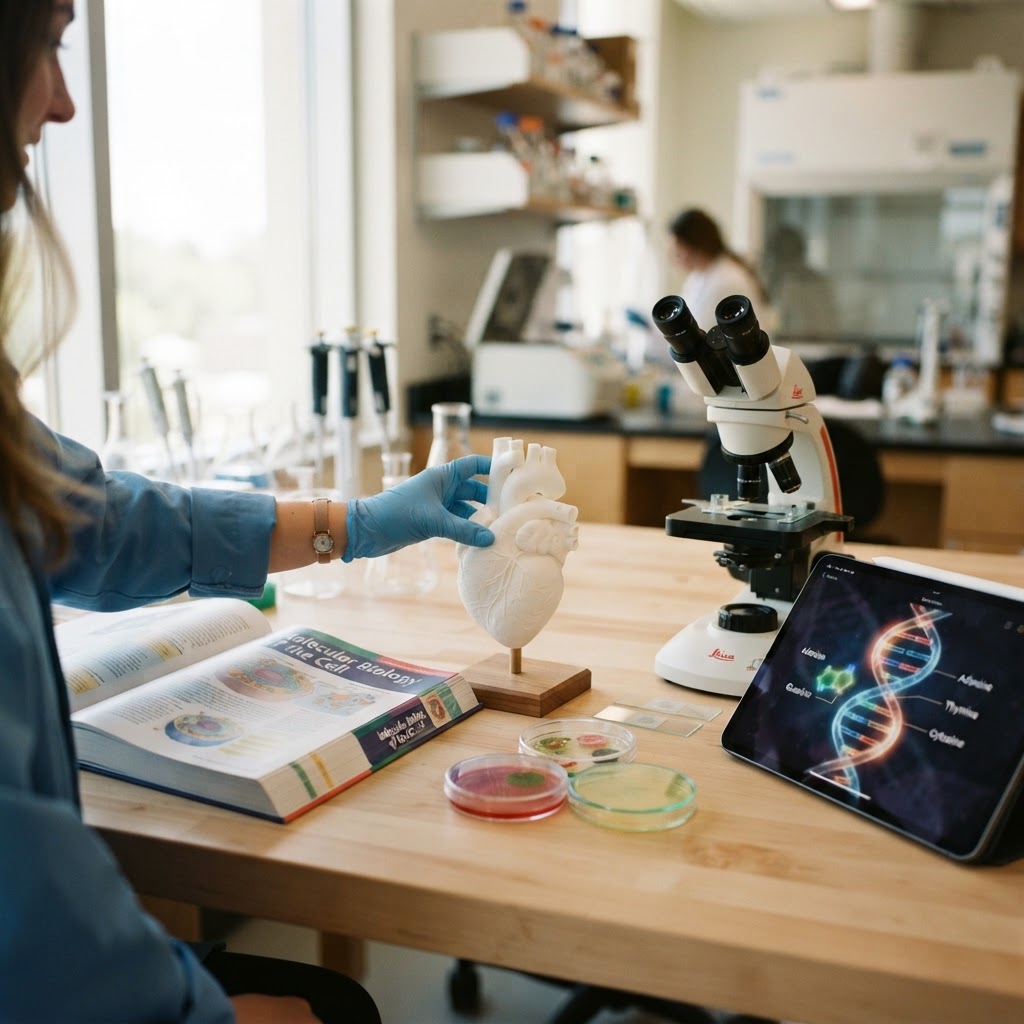
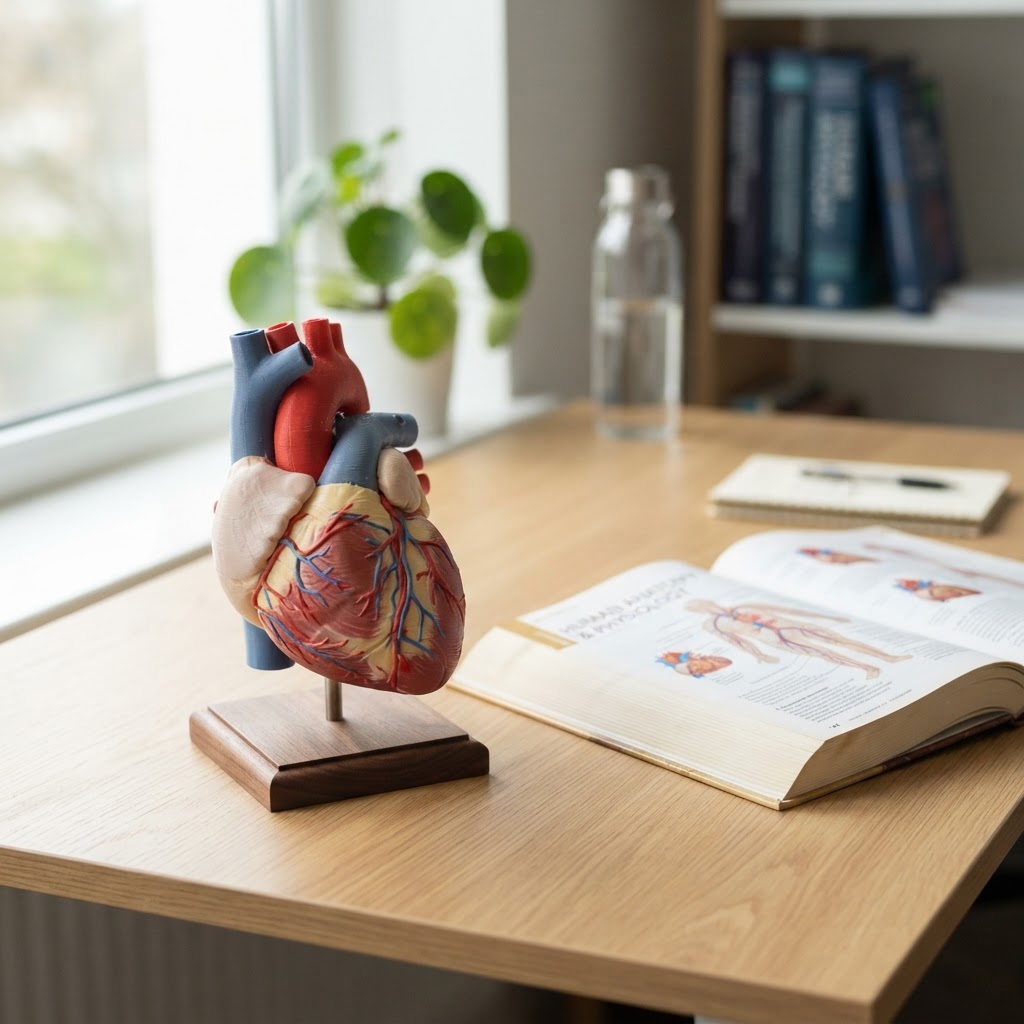
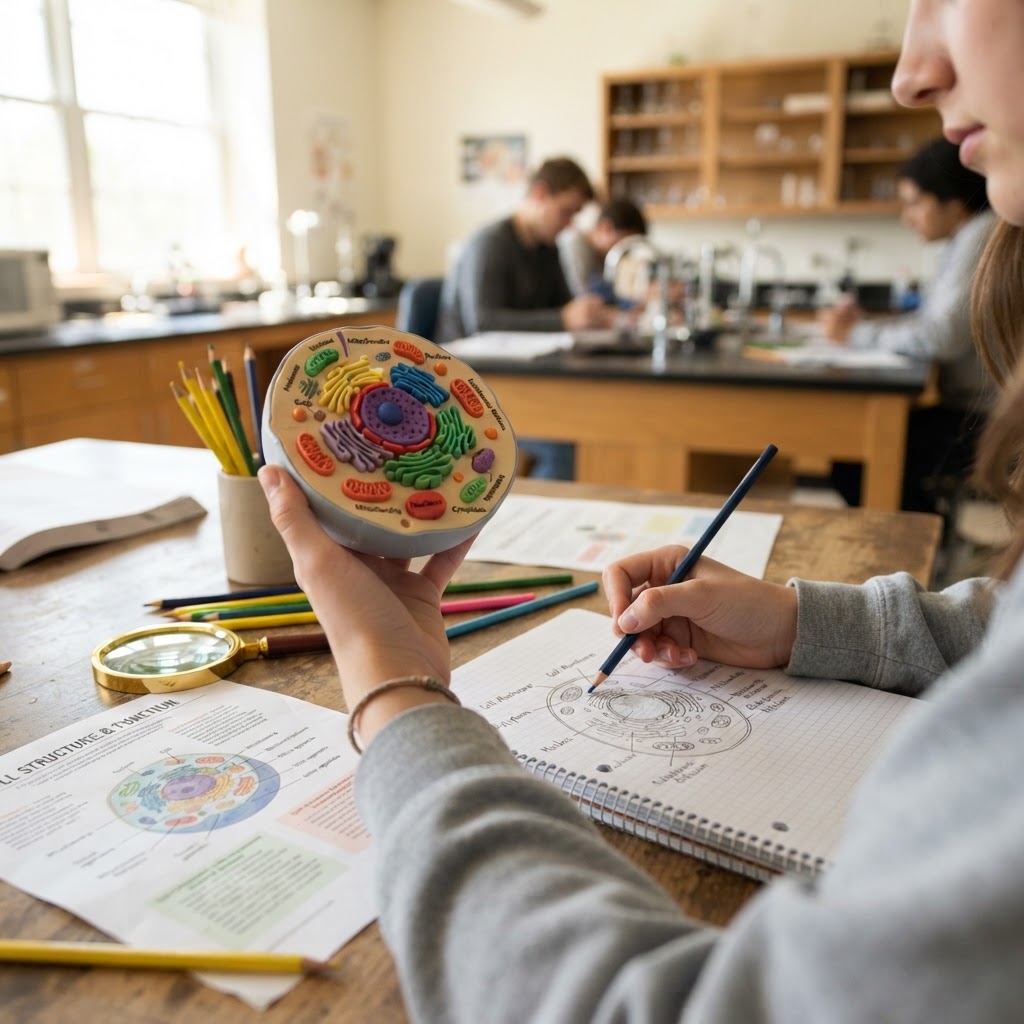
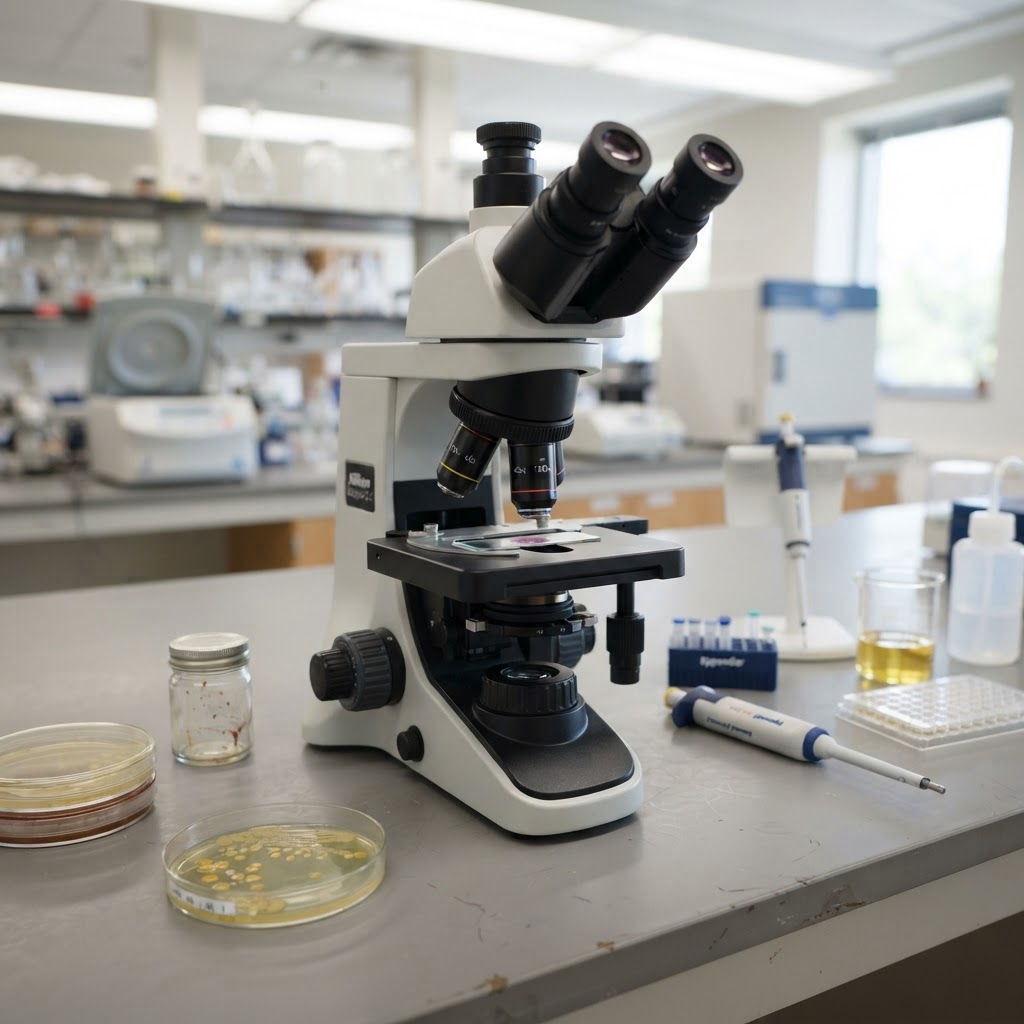
Life Sciences and Bioengineering programs introduce students to areas of STEM that combine biology, engineering, and applied science. These programs are designed to help students understand how living systems work and how technology can be used to study, model, and improve them. Students participate in structured activities such as working with models, exploring biological systems, analyzing real-world problems in health and science, and applying engineering concepts to biological questions. These experiences help students build a deeper understanding of how science and technology intersect in fields such as medicine, research, and innovation.
Community and Access Programs
Community and Access Programs are designed to reduce barriers to participation and provide structured opportunities for students to engage in STEM learning. These programs focus on expanding access through community-based delivery, financial support, and inclusive program design. Students participate in programs that are delivered in partnership with local organizations, supported through scholarships, or designed to be accessible across different languages and backgrounds. These efforts help ensure that more students can participate in structured STEM learning experiences and continue progressing within the STEMSCI program pathway.